Eating the Truth
For three modules, I have been tracking how Western depth psychology ranks Indigenous knowledge: below, behind, preliminary. But this week the question…

For three modules, I have been tracking how Western depth psychology ranks Indigenous knowledge: below, behind, preliminary. But this week the question reversed itself. What if the ranking is not just politically objectionable but epistemologically incoherent? What if the very criterion by which Western thought validates truth, abstraction divorced from lived consequence, is itself the error?
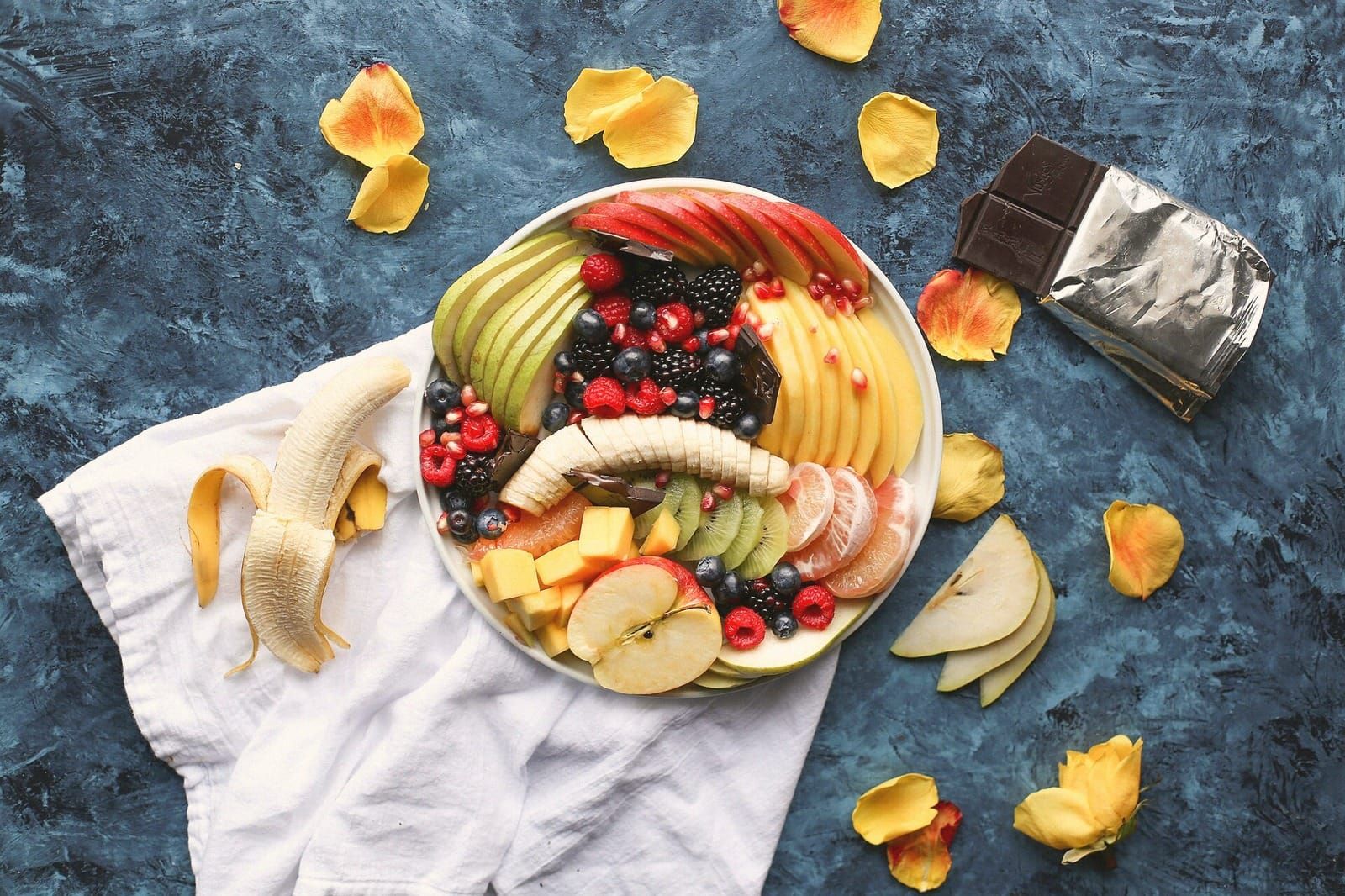
Francisco surfaces a thread from Jung I had not taken seriously enough. Jung proposes that we know truth the way an animal knows food: not by analyzing its composition but by eating it and registering what happens. The system thrives, or it breaks down. This is not metaphor. It is method. Indigenous epistemology refuses to separate knowing from the body that knows, the community that holds the knower, the ecology that holds them both. Truth registers in the nervous system, in the quality of relationship, in the health or illness of the whole organization to the organism.
I recognize this kind of knowing, and I grew up taught to trust it. The body has always known before the mind could articulate which relationships nourish and which deplete, which ideas settle into the bones, and which sit like something swallowed wrong. Western education privileges noise over signal, treating the body's ontology as bias and the mind's abstraction as subjectivity. But the body's subjective experience is a part of our larger ecosystem.
This is the epistemological reversal animism demands. The question is not whether the world is truly animate but whether treating it as inanimate poisons the system. The ecological record suggests answers with devastating clarity. Truth that destroys the conditions for life is, by any Indigenous measure, not truth at all.